 listicle
Equipment Financing for 600 Credit Score
Table of Contents
- How Equipment Financing Works With a 600 Credit Score
- Business Equipment Financing Requirements and Credit Thresholds
- Equipment Leasing Without Personal Credit Reporting
- Equipment Lease-to-Own Options for Growing Businesses
- Frequently Asked Questions
Last Updated: August 28, 2026
Equipment financing with a 600 credit score is possible, but it requires a different approach than traditional bank lending. Most financial institutions view a 600 credit score as subprime territory. At LeaseDirect, we've helped Canadian business owners access the equipment they need despite credit constraints.
How Equipment Financing Works With a 600 Credit Score
Equipment financing with a 600 credit score operates differently than traditional lending. Instead of relying heavily on your personal credit history, we focus on the equipment itself as the primary security. The asset becomes the collateral, which means our risk is tied to whether we can recover our money by repossessing and selling the equipment if you default.
A credit bureau inquiry is always the first step. Nothing moves forward without one. This hard inquiry lets us see your full credit profile, payment history, existing debts, and credit use. For a 600 score, we examine your business cash flow, how long you've been operating, whether you have consistent revenue, and your ability to make monthly payments aligned with your business income.
Business Equipment Financing Requirements and Credit Thresholds
Our credit people will consider applications from businesses with credit scores as low as 575 to 600, though terms and interest rates reflect the increased risk (cfla-acfl.ca).
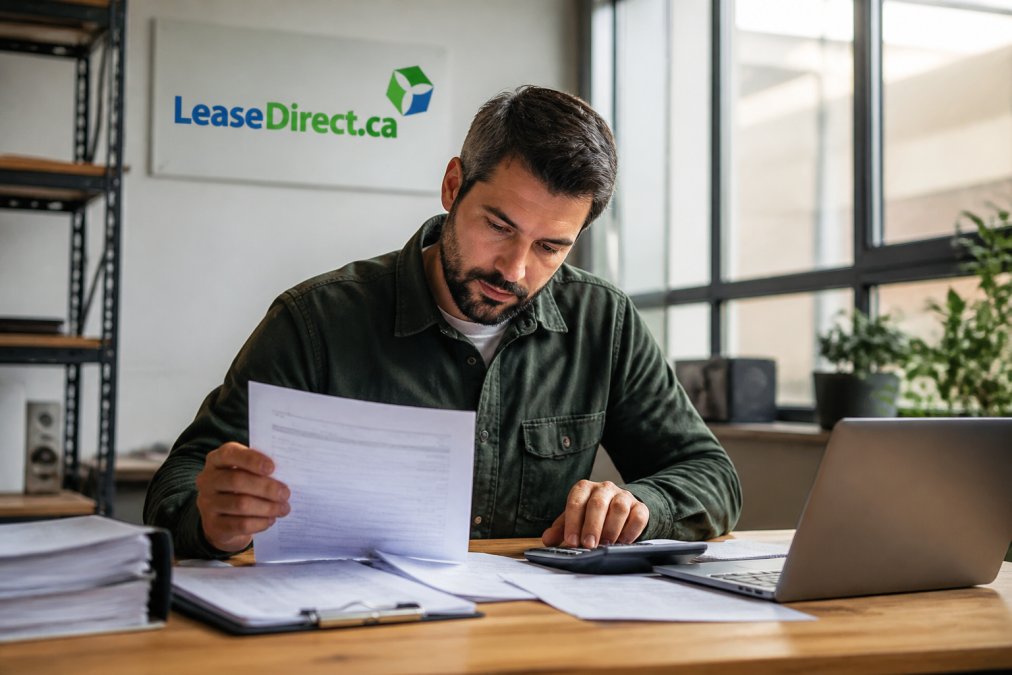
Your business cash flow is critical, we need to see that your monthly revenue can cover the equipment payment without straining operations. We'll request recent business tax returns, typically the last two years, to verify income stability (bdc.ca). For newer businesses under two years old, we may ask for bank statements or invoices showing consistent revenue.
The age and condition of the equipment matters too. Newer equipment or well-maintained used equipment is easier to finance because it holds resale value if repossession becomes necessary. A down payment isn't always required, many of our credit people offer $0 down options to preserve your working capital. However, putting down 10-20% can improve your approval odds and lower your monthly payment.
Equipment Leasing Without Personal Credit Reporting
One significant advantage of equipment leasing is that it doesn't always report to your personal credit bureau. When you lease equipment through a structure that reports to business credit bureaus rather than personal ones, the lease payment activity builds your business credit profile without affecting your personal score. Our credit people report to commercial credit bureaus and business credit agencies rather than Equifax or TransUnion.
Get Pre-Approved in 5 minutes →
This approach works best when the lease agreement is structured in your business name, not your personal name. Your payment history on the lease builds a business credit file that our credit people can reference for future business financing decisions. Used equipment and vehicle leasing through LeaseDirect is designed with this flexibility in mind, allowing you to access the assets your business needs while protecting your personal credit profile.
Equipment Lease-to-Own Options for Growing Businesses
Lease-to-own structures give businesses the flexibility to use equipment immediately while building toward ownership. You make monthly lease payments, and at the end of the term, you have the option to purchase the equipment at a predetermined price, return it, or sometimes renew the lease.
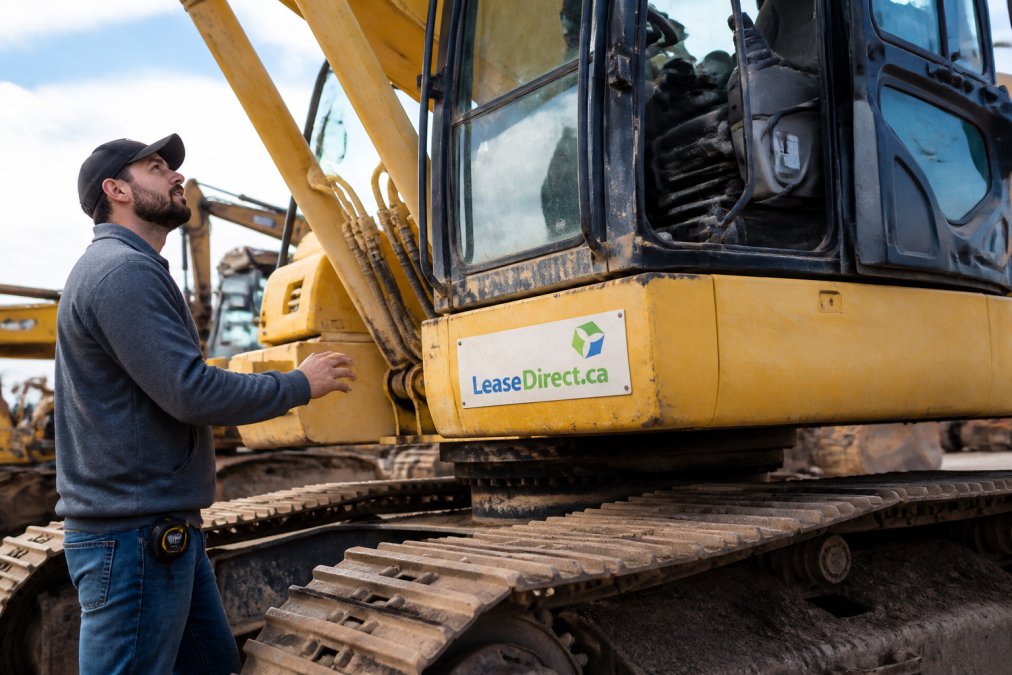
For businesses with a 600 credit score, lease-to-own aligns monthly payments with your revenue. If your business is seasonal or has variable cash flow, you can structure payments to match your income pattern. Lease-to-own also preserves capital, you start with $0 down and make monthly payments, keeping funds in your business for operational expenses, inventory, or emergency reserves. At the end of the lease term, you can exercise the purchase option, return the equipment, or negotiate a renewal. For fixed assets over $10,000, small business financing through our credit people can help you structure a solution that works with your cash flow and credit profile.
Equipment financing with a 600 credit score requires working with our credit people who understand business fundamentals beyond a single number. The equipment itself becomes your strongest advocate in the approval process. At LeaseDirect, we specialise in funding businesses across all credit tiers, from 575 to 800+, because we know that credit scores don't tell the whole story about a business owner's ability to succeed. The Canadian Finance & Leasing Association confirms that asset-based lending remains a viable path for businesses with challenged credit. Get pre-approved in 5 minutes and see what's possible for your business.
Frequently Asked Questions
Q: Can I get equipment financing with a 600 credit score?
A: Yes. A 600 credit score is not a barrier to equipment financing. Many providers, including those specializing in asset-based lending, focus on the equipment's value and your business cash flow rather than personal credit alone. Credit bureau inquiries are standard, but approval depends on collateral, down payment options, and your ability to service the debt. Lease-to-own structures can be particularly accessible at this score range.
Q: What business equipment financing requirements do I need to meet?
A: Typical requirements include proof of business operation (tax returns or financial statements), identification, and details about the equipment being financed. Providers assess your debt-to-income ratio, monthly cash flow, and the equipment's appraisal value. Some providers offer $0 down options, reducing upfront capital needs. The specific requirements vary by provider and equipment type, so contact LeaseDirect for a personalized assessment of what you'll need.
Q: Does equipment leasing without personal credit reporting actually work?
A: Yes. Some lease structures report to business credit bureaus only, not personal credit bureaus. This approach helps you build a separate business credit profile without impacting your personal credit score. However, a hard inquiry into your personal credit still occurs during underwriting. The distinction matters: your monthly payments build business credit history while protecting your personal credit from additional reporting, which can be valuable for future business borrowing.
This article was written using GrandRanker